The cooking / Seasonal plates

Dishes built with a clear point of view

At Trattoria Square, a dish begins with what the season is giving: vegetables with bite, fish landed close to Auckland, slow-cooked cuts and a pantry of good oil, vinegar and cheese. Technique stays quiet. What arrives at the table should look like itself, taste of where it came from and leave room for the next course.

Read the menu for the current structure, or follow the cooking through the kitchen notes below before planning your table.

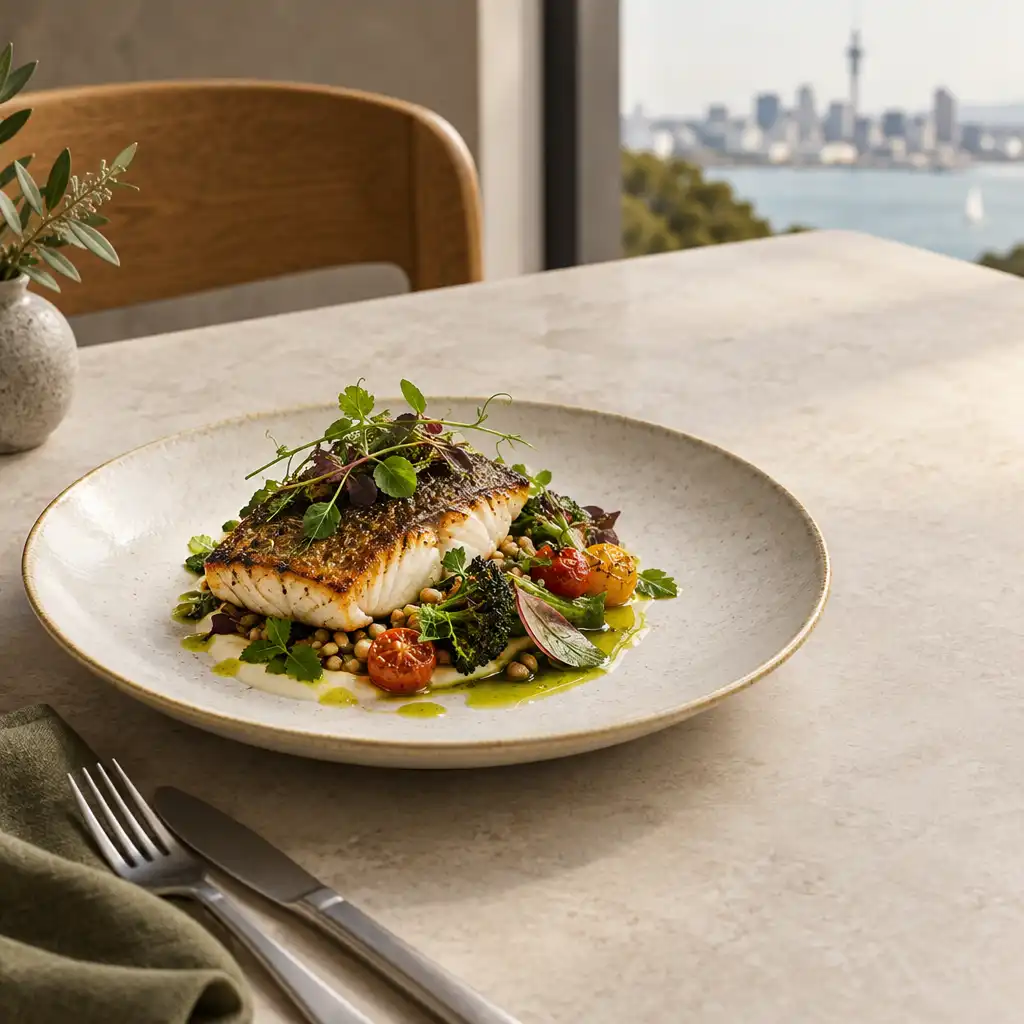
Pan-seared fish with greens, cherry tomatoes and herb oil on a pale ceramic plate beside a travertine table edge
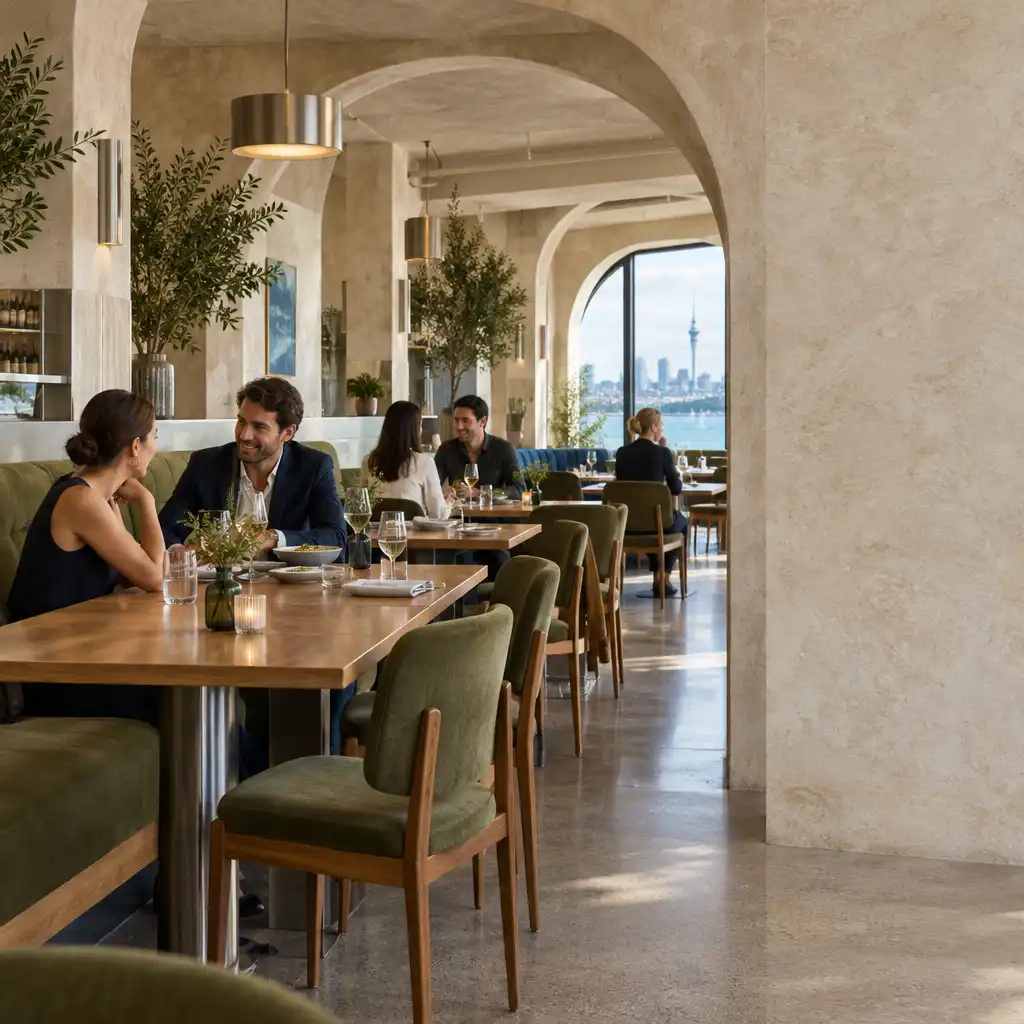
Bright contemporary dining room with plaster arches, oak tables, olive seating and guests in conversation

Cooking first

A kitchen that follows the season

The menu is written around produce rather than fixed expectations. Some plates stay because guests ask for them; others change when a supplier moves on to the next crop. That rhythm keeps the kitchen honest and gives regular diners something to notice on a second or third visit. Nothing is added purely for decoration, and nothing is kept purely out of habit.

Produce, then technique

A short list of suppliers does most of the work: vegetables picked close to the day they are served, fish that holds its shape in the pan, and dairy with enough character to carry a course on its own. Cooking then has one job — to keep those qualities intact. Explore the current menu structure to see how the courses are arranged.

Good plates rarely need explaining. They need a good ingredient, a clear idea and the discipline to stop at the right moment.

In the kitchen

Three things the kitchen holds to

The dishes change through the year, but the working principles do not. They shape how a plate is built, how a service runs and how the menu is explained to the table.

Starting point

Produce sets the menu

The kitchen writes around what is arriving, not the other way around. If a crop is short, the dish changes or comes off. If something is at its best for two weeks, it appears for two weeks. This is why the menu carries a clear seasonal note rather than a long fixed list.
On the pass

Restraint in the finish

Plates are finished with oil, acid, herbs and salt rather than layered with garnish. The last thirty seconds at the pass are treated as carefully as the hour before them, because that is where texture and temperature are decided. What leaves the kitchen should look composed, not constructed.

Across the room

One kitchen, every table

The dining room, the chef’s counter and the private room are served by the same kitchen and the same standards. A larger table does not receive a separate level of cooking. The difference is in the setting, the pace and the way the menu is discussed with guests.

On the plate

Detail that survives the journey

A dish is designed to hold for the walk from the pass to the table: a sauce that stays where it is put, a crisp element that keeps its edge, a plate warm enough to carry the food without cooking it further. These are small decisions, but they are the difference between a plate that photographs well and one that eats well.

Simple plates, sharp execution

Most dishes at Trattoria Square have four or five visible elements. That leaves nowhere to hide, so each one has to be right: the seasoning, the temperature, the cut, the finish. It also keeps the menu readable for guests who want to know what they are ordering. Discover the restaurant

Carefully composed plated dish on a pale stone restaurant table in natural light
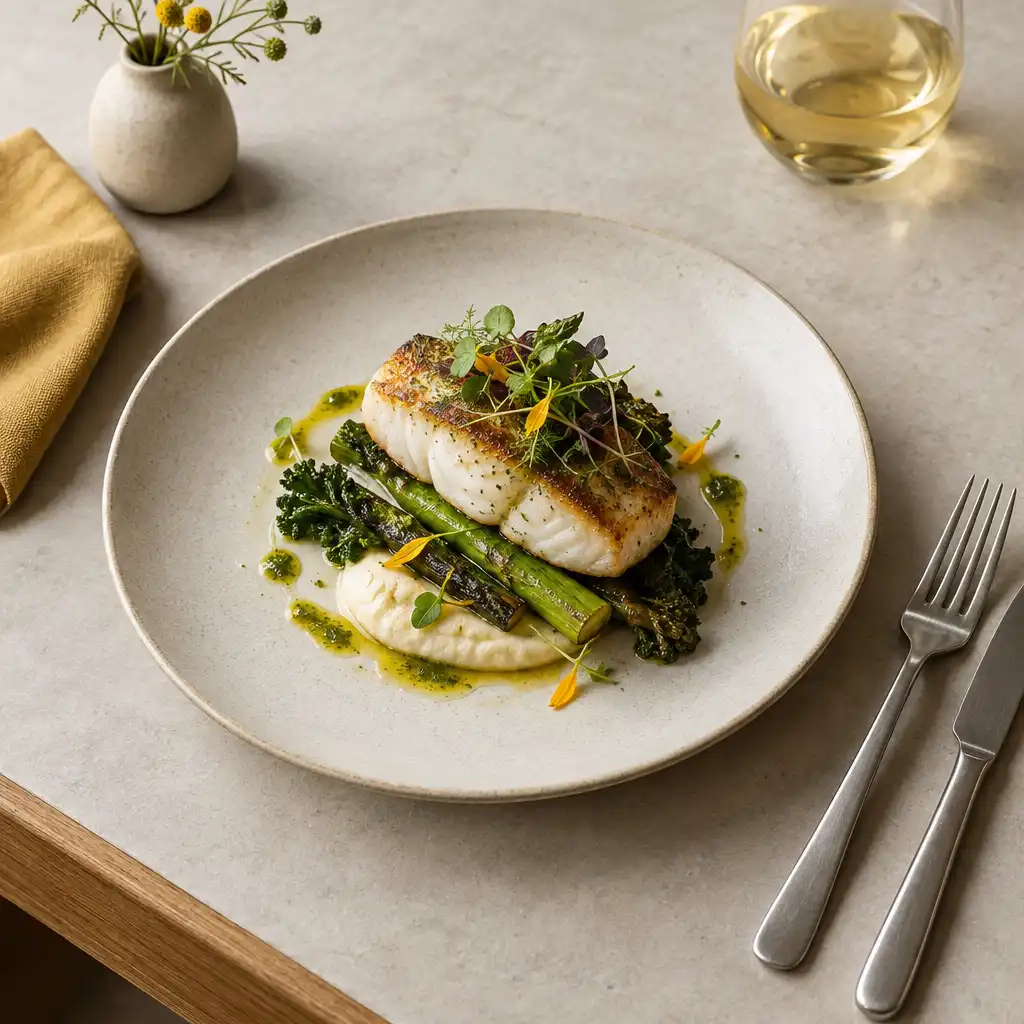
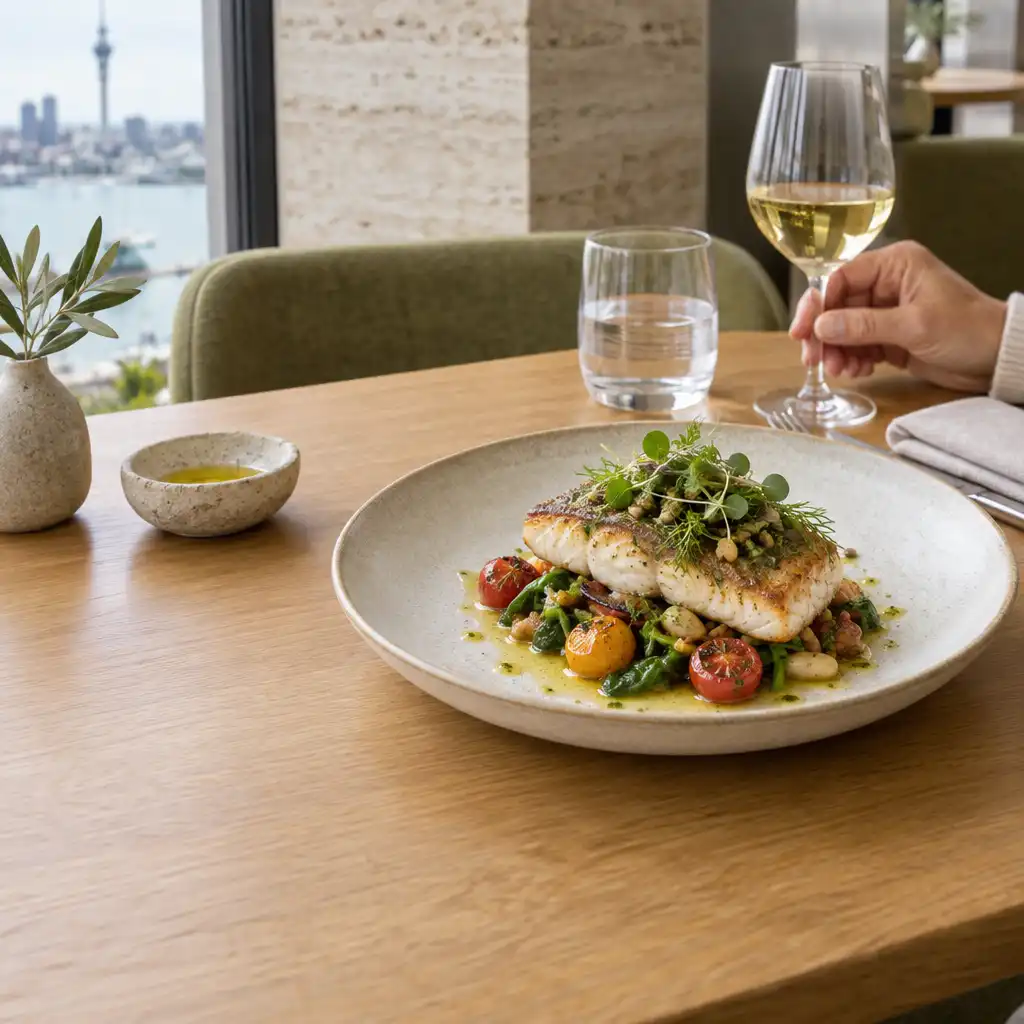
Plated fish with greens and cherry tomatoes on a warm oak dining table beside a glass of white wine

Reading the menu

The menu page sets out the courses in the order they are usually eaten, from opening plates through pasta, mains, seafood and vegetables to dessert and drinks. It is written to be read before you arrive, not decoded at the table, and it is updated as the kitchen’s produce changes.

01

A menu you can plan around

Guests often arrive with a course or a dietary need already in mind. The menu is arranged so that can be answered quickly, and the service team can talk through the detail of any dish before an order is placed. There is no fixed tasting route and no pressure to take every course.

Dietary needs

Answered properly, before you order

Allergies and dietary requirements are treated as kitchen information, not as a table conversation to resolve later. Tell the team when you book and again when you sit down, and the kitchen will confirm what can be adapted for the dishes you are considering.

Say it when you book

A note at the time of booking gives the kitchen time to plan rather than improvise. It also means the private room and larger tables can be briefed in advance, which matters most when several guests share the same requirement.

Ask about the detail

Dishes can contain stock, flour, dairy, nuts or shellfish in places that are not obvious from the menu description. Ask about anything you need to avoid and the team will check the current preparation rather than guess from memory.

Cross-contact is honest

The kitchen is a working environment with shared equipment, so it will be clear about what can and cannot be guaranteed. Where a dish cannot be made safe, an alternative will be offered instead of a promise the kitchen cannot keep. Continue to the menu or contact Trattoria Square with specific questions.

Through the year

The menu moves with the season

Spring brings lighter openings and green vegetables; summer leans on tomatoes, stone fruit and fish; autumn turns to mushrooms, roots and slower cooking; winter settles into braises, pasta and warm desserts. The structure of the menu stays recognisable while the dishes inside it change.

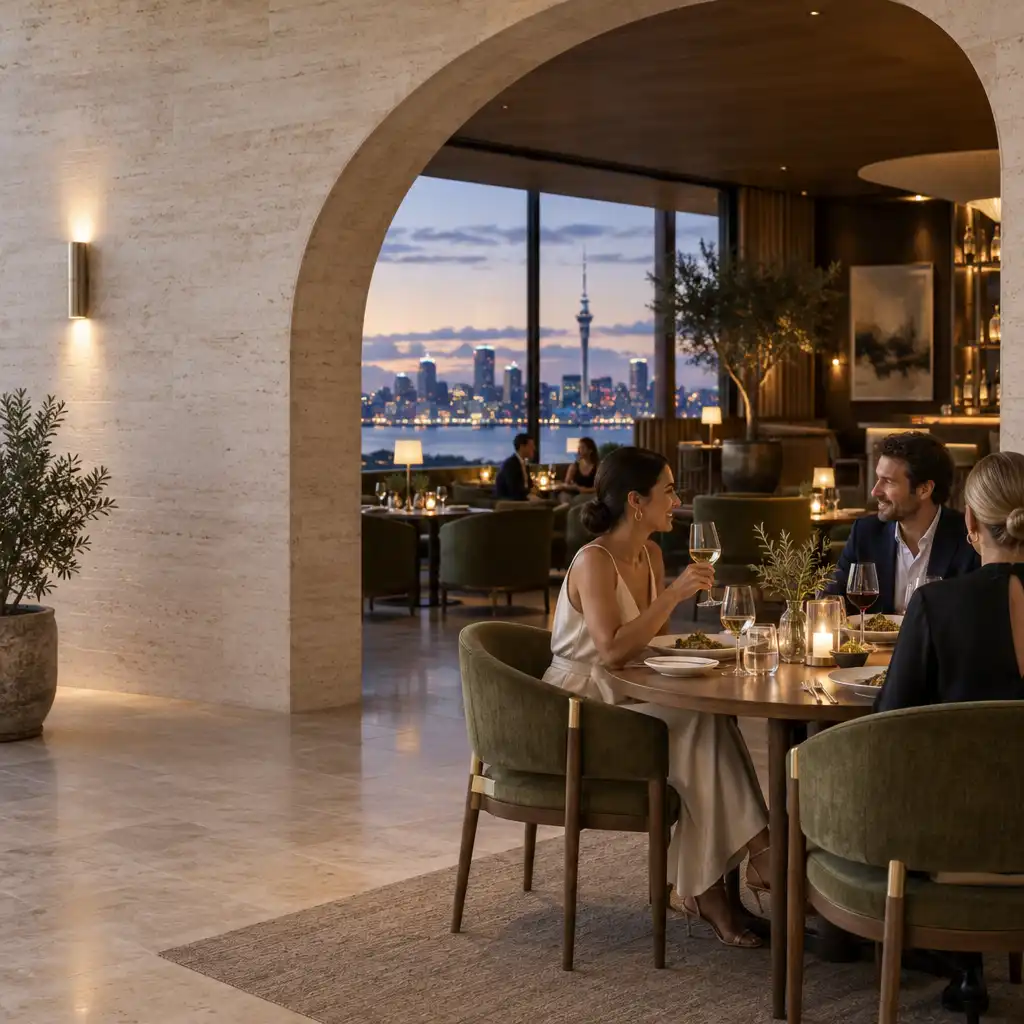
Evening dining room at Trattoria Square through a travertine arch with olive seating and oak tables

Plan your visit

Find the table in Auckland Central

48 High Street, Auckland Central, Auckland 1010, New Zealand

Trattoria Square is a destination for Auckland dining and considered seasonal cooking. Begin with the menu, make space for the room and the conversation, then shape the visit in the direction that suits the occasion.

Choose the next part of your planning: reserve a dining table, review the menu, or read how the room and service are put together.

Trattoria Square / Auckland

Start with the plate. Stay for the room.

Trattoria Square is a contemporary Auckland restaurant where the menu, the interiors and the conversation come first. The cooking follows the season, the room carries it from daylight into evening, and the service keeps the table at its own pace. Explore the menu or plan your table when you are ready.